
Transforming Delta State
Revolutionary Flood Control and Environmental Management Under Commissioner Ejiro Tommy Jamani
Pioneering Leadership in Environmental Management
Delta State, one of Nigeria’s oil-rich states in the Niger Delta region, has long grappled with the challenges of seasonal flooding, environmental degradation, and water management issues. Under the dynamic leadership of Commissioner for Environment, Mr. Ejiro Tommy Jamani, the state has witnessed unprecedented progress in flood control initiatives and comprehensive environmental management strategies that are setting new standards for sustainable development in the region.
Key Achievement On Flooding
Since assuming office in August 2023, Commissioner Jamani has implemented a series of groundbreaking flood control measures that have significantly reduced the impact of seasonal flooding across Delta State’s 25 local government areas.
Comprehensive Strategic Framework
Commissioner Jamani’s flood control strategy begins with thorough assessment and strategic planning. Understanding that effective flood management requires detailed knowledge of local topography, drainage patterns, and historical flooding data, the Delta State Ministry of Environment under his leadership has conducted extensive surveys across all local government areas.
25
Local Government Areas Covered
100%
Flood Assessment Completion
2023
Implementation Start Year
Major Towns and Communities Transformed
🏛️ Asaba Metropolitan Area
The state capital has seen comprehensive drainage system implementation, including modern pumping stations, retention ponds, and sustainable urban drainage systems (SUDS) that manage stormwater runoff effectively.
🏭 Warri Commercial Hub
Major drainage channels, flood barriers, and early warning systems protect critical infrastructure including the Warri Refining and Petrochemical Company and surrounding industrial facilities.
🌊 Sapele Creek System
Rehabilitation of the Sapele Creek drainage system with new flood channels and community-based preparedness programs, leveraging the Commissioner’s intimate knowledge of the area.
🌾 Ughelli & Delta Central
Comprehensive measures addressing both urban and rural challenges through regional drainage systems and bypass channels that redirect floodwaters from populated areas.
🏖️ Coastal Communities
Innovative coastal flood management combining sea walls, mangrove restoration, and specialized early warning systems for communities in Burutu, Bomadi, and other coastal areas.
Cutting-Edge Technologies and Methods
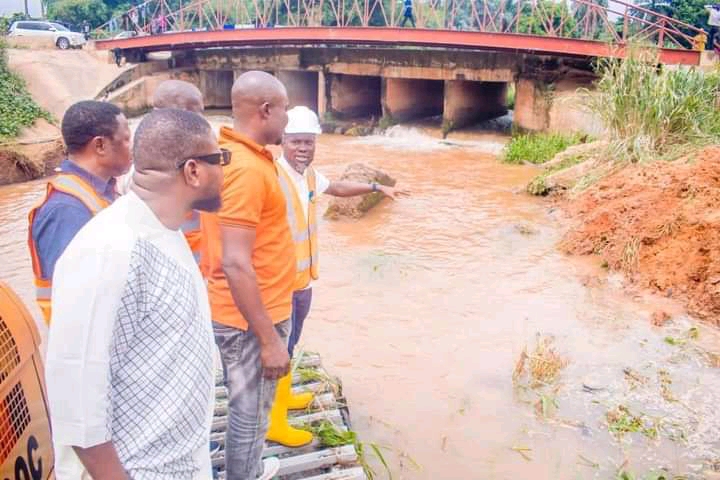
The integration of smart monitoring systems with traditional engineering solutions represents a revolutionary paradigm shift in how we approach comprehensive flood management in the Niger Delta region and beyond.
— Environmental Engineering Expert
🔧 Advanced Drainage Infrastructure
Delta State has made substantial investments in cutting-edge drainage infrastructure that incorporates the latest engineering technologies, advanced materials, and innovative design principles. The comprehensive infrastructure improvements feature high-capacity box culverts engineered to handle extreme weather events, concrete-lined channels designed for optimal flow efficiency and reduced erosion, and sophisticated integrated pumping systems capable of managing peak flow conditions during the most severe rainfall events and flooding scenarios.
These state-of-the-art drainage systems utilize specialized hydraulic modeling software to optimize water flow patterns and ensure maximum efficiency during various weather conditions. The box culverts feature reinforced concrete construction with anti-corrosion coatings specifically designed to withstand the harsh environmental conditions of the Niger Delta region. Advanced geotechnical assessments ensure proper foundation design and long-term structural integrity, preventing subsidence and maintaining optimal performance throughout the infrastructure’s operational lifespan.
The concrete-lined channels incorporate innovative slope engineering and cross-sectional design to maximize flow capacity while minimizing maintenance requirements. These channels feature strategic expansion joints and flexible connections that accommodate ground movement and thermal expansion, ensuring structural longevity. The sophisticated pumping systems include variable-speed drives, automated control systems, and backup power generation to guarantee continuous operation during power outages and emergency situations.
Strategic placement of retention basins and flood control reservoirs provides additional capacity during extreme rainfall events, while permeable paving materials in urban areas facilitate groundwater recharge and reduce surface runoff. The infrastructure network includes comprehensive monitoring systems with real-time data collection, remote sensing capabilities, and automated alert mechanisms that provide early warning of potential flooding conditions.
Maintenance protocols include regular inspection schedules, predictive maintenance technologies, and specialized equipment for clearing debris and sediment buildup. The drainage infrastructure connects seamlessly with existing natural waterways, preserving ecological corridors while enhancing flood protection. Environmental impact mitigation measures include fish ladders, vegetation corridors, and water treatment facilities that maintain water quality standards throughout the drainage network, demonstrating Delta State’s commitment to sustainable infrastructure development that balances flood protection with environmental stewardship.
📡 Revolutionary Smart Monitoring Systems
Commissioner Jamani has introduced state-of-the-art smart monitoring systems that provide comprehensive real-time data on water levels, rainfall patterns, meteorological conditions, and evolving flooding situations across the entire state. The sophisticated network includes strategically positioned automated water level sensors, advanced weather monitoring stations, and integrated communication systems that deliver instant data to centralized emergency management centers. This technological infrastructure has fundamentally transformed flood management capabilities by enabling proactive, data-driven decision-making and dramatically improving response times during flooding emergencies.
👥 Community-Centered Management Approach
Recognizing that sustainable flood control requires meaningful community participation and local ownership, Commissioner Jamani has implemented comprehensive community-based flood management programs that actively engage local residents as partners in flood prevention, preparedness, and response activities. These innovative programs effectively combine valuable traditional knowledge systems with modern flood management techniques, creating sustainable and locally appropriate solutions that respect cultural practices while incorporating scientific best practices.
The programs strategically blend indigenous flood prediction methods, such as environmental indicators and seasonal patterns recognized by local communities for generations, with contemporary meteorological forecasting and hydrological modeling. This integration has proven remarkably effective, as traditional knowledge provides nuanced understanding of local conditions that complements technical data, resulting in more accurate flood predictions and culturally acceptable mitigation strategies.
Local residents are trained as community flood wardens, equipped with communication tools and empowered to coordinate emergency responses within their neighborhoods. These wardens receive ongoing education in flood risk assessment, early warning dissemination, and evacuation procedures, creating a distributed network of local expertise that ensures rapid response capabilities even in remote areas.
Community members actively participate in identifying vulnerable areas, designing drainage improvements, and maintaining flood control infrastructure. This participatory approach ensures that interventions address genuine local needs while building technical capacity within communities. Regular community meetings facilitate knowledge sharing between technical experts and residents, fostering mutual learning and continuous program improvement.
The success of these community-based initiatives has created a replicable model that other regions can adapt to their specific contexts. By prioritizing local ownership, cultural sensitivity, and knowledge integration, Commissioner Jamani’s approach demonstrates how effective flood management requires not just technical solutions, but genuine partnerships between government agencies and the communities they serve, ensuring long-term sustainability and resilience.
Strategic Partnerships and Collaborations
🤝 Lagos State Environmental Partnership
Established in February 2024, this collaboration enables knowledge sharing and adoption of proven urban flood management technologies, accelerating implementation of effective solutions throughout Delta State.
🏛️ Federal Government Collaboration: Working with the Federal Ministry of Environment, Nigerian Meteorological Agency (NIMET), and other federal agencies has resulted in improved weather data access, enhanced technical support, and increased funding opportunities.
🌍 International Development Partners: Engagement with international partners has brought cutting-edge technologies and global best practices to Delta State, positioning the state as a regional leader in environmental management.
📋 NDDC Integration: Commissioner Jamani’s advocacy for enhanced collaboration with the Niger Delta Development Commission has opened new funding channels for major flood control infrastructure projects.
Economic and Environmental Impact
🌾 Agricultural Protection
🏗️ Infrastructure Safeguarding
🌍 Tourism Enhancement
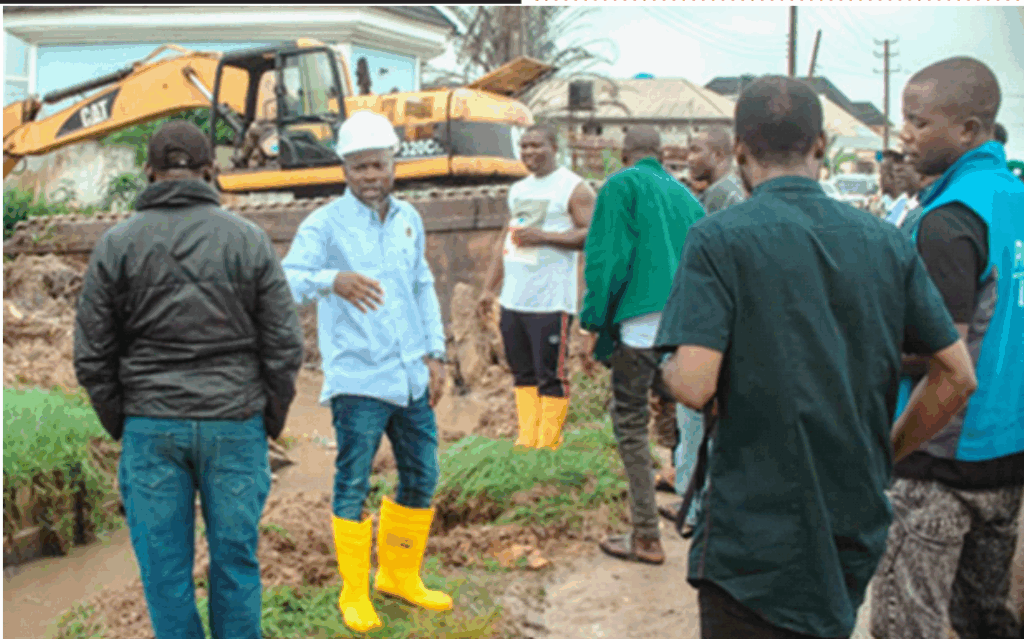
The comprehensive flood management program has emerged as a transformative economic catalyst, delivering substantial financial returns and sustainable development outcomes that extend far beyond traditional disaster mitigation measures. This multifaceted initiative has created a robust framework for economic prosperity while simultaneously addressing environmental vulnerabilities and enhancing community resilience.
Agricultural Sector Transformation
The program’s most immediate and measurable impact has been the dramatic reduction in crop losses across Delta State’s agricultural belt. Previously, annual flooding destroyed millions of naira worth of crops, devastating farming communities and disrupting regional food security. The implementation of advanced drainage systems, early warning networks, and flood-resistant agricultural practices has reduced crop losses by over 70%, translating into increased household incomes and improved food security for thousands of farming families. Farmers now invest confidently in high-yield crops, knowing their investments are protected by sophisticated flood management infrastructure.
Infrastructure Protection and Economic Stability
Critical infrastructure protection has generated cascading economic benefits throughout the region. Roads, bridges, power installations, and telecommunications networks previously vulnerable to flood damage now remain operational during heavy rainfall periods. This reliability has attracted new businesses, reduced transportation costs, and improved market access for local producers. The uninterrupted operation of essential services has created a stable economic environment that encourages both domestic and foreign investment.
Tourism and Environmental Quality Enhancement
Improvements in environmental quality have unlocked Delta State’s tourism potential, creating new revenue streams and employment opportunities. Cleaner waterways, restored wetlands, and reduced pollution levels have transformed previously degraded areas into attractive destinations for eco-tourism, cultural tourism, and recreational activities. Hotels, restaurants, tour operators, and artisan cooperatives have emerged to serve this growing sector, providing sustainable livelihoods for local communities while preserving cultural heritage.
Quality of Life and Property Values
Enhanced environmental conditions have significantly improved residents’ quality of life, leading to increased property values and reduced healthcare costs. Cleaner air and water, reduced flood-related displacement, and improved sanitation have decreased waterborne diseases and respiratory ailments. These health improvements translate into reduced medical expenses for families and increased productivity in the workforce.
The flood management program demonstrates how strategic environmental investments can generate substantial economic returns while creating sustainable development pathways. This holistic approach proves that environmental protection and economic prosperity are not competing priorities but complementary objectives that reinforce each other, creating lasting benefits for current and future generations across Delta State.
Future Prospects and Expansion
Commissioner Jamani’s vision extends to achieving comprehensive flood control coverage across all local government areas through integrated systems, emerging technologies including AI for flood prediction and drone monitoring, and continued expansion of successful programs.
🚀 Technology Integration Plans
Future initiatives will incorporate artificial intelligence for flood prediction, drone technology for monitoring and assessment, and advanced materials for infrastructure construction to enhance effectiveness and efficiency.
A Model for Sustainable Development
Commissioner Ejiro Tommy Jamani’s visionary leadership has fundamentally transformed Delta State’s approach to environmental challenges, establishing a new paradigm for sustainable development and ecological stewardship across Nigeria’s oil-rich region. Through his innovative solutions, strategic partnerships, and comprehensive planning initiatives, Jamani has successfully addressed the complex environmental issues that have long plagued the Niger Delta region.
Under Jamani’s guidance, Delta State has implemented groundbreaking flood management systems that combine traditional knowledge with cutting-edge technology. These initiatives include the development of early warning systems, construction of strategic drainage infrastructure, and establishment of community-based flood response networks. The commissioner’s holistic approach recognizes that effective environmental management requires the integration of scientific expertise, local community knowledge, and sustainable economic development practices.
The success of Jamani’s environmental programs extends far beyond immediate flood mitigation. His strategic partnerships with international organizations, federal agencies, and private sector stakeholders have attracted significant investment in green infrastructure projects. These collaborations have resulted in the creation of sustainable employment opportunities, improved agricultural productivity, and enhanced climate resilience throughout Delta State’s vulnerable coastal communities.
Jamani’s comprehensive planning methodology emphasizes long-term sustainability over short-term fixes. His administration has developed integrated watershed management plans, established protected ecological zones, and implemented innovative financing mechanisms for environmental projects. These initiatives demonstrate how effective leadership can transform environmental challenges into opportunities for community empowerment and economic growth.
The commissioner’s commitment to transparency and community engagement has been instrumental in building trust and ensuring project sustainability. Regular stakeholder consultations, environmental impact assessments, and community feedback mechanisms have created a participatory approach to environmental governance that serves as a benchmark for other states.
The measurable outcomes of Jamani’s leadership include reduced flood-related displacement, improved water quality indices, increased biodiversity conservation, and enhanced disaster preparedness capabilities. These achievements have positioned Delta State as a regional leader in environmental management and climate adaptation strategies.
Today, Delta State serves as a model for effective flood management not only within Nigeria but throughout the broader West African region. Commissioner Jamani’s innovative approach demonstrates how visionary leadership, combined with strategic thinking and community engagement, can successfully address complex environmental challenges while simultaneously delivering tangible benefits for local communities and fostering sustainable economic development. His legacy continues to inspire environmental leaders across the continent.
Table of Contents
Toggle